Interviews
Up Close with Cinematographer Yixuan Li

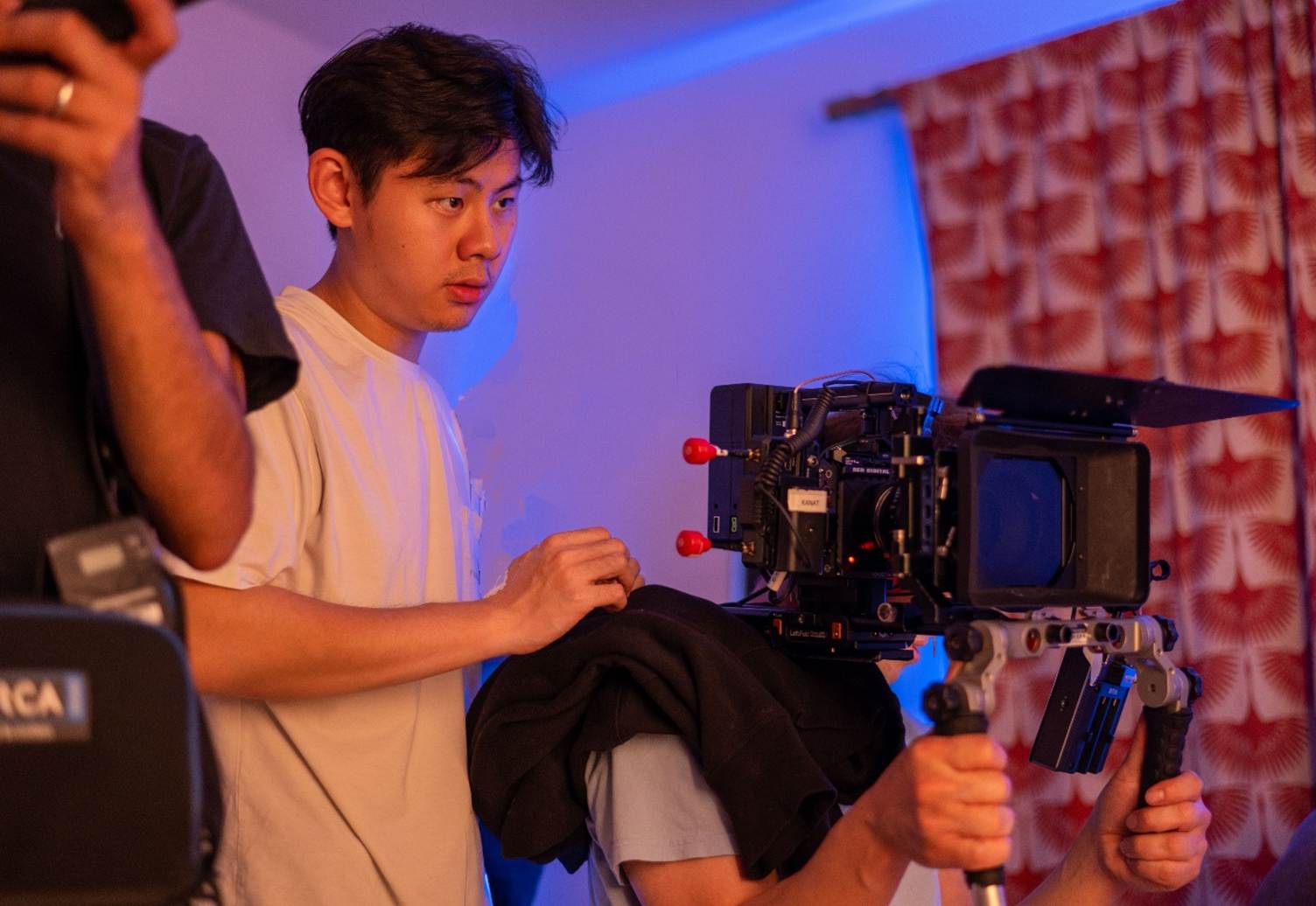
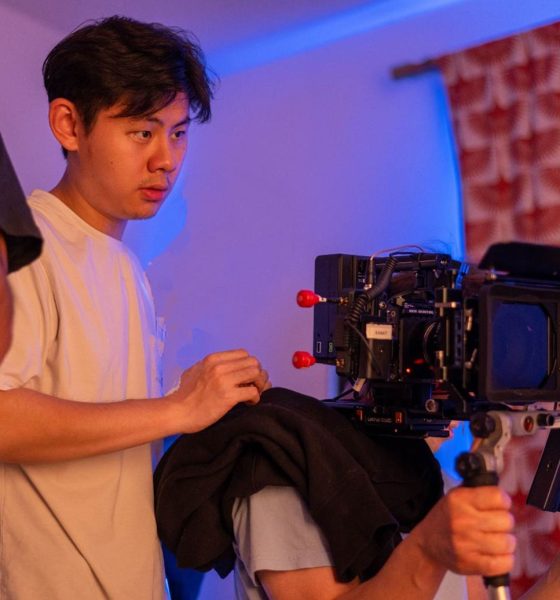
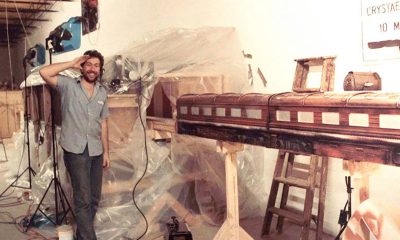
Los Angeles based Yixuan Li is a multi-lingual highly experienced cinematographer and Steadicam operator with an in-depth understanding of photographic techniques and lighting design. Hailing from China, Yixuan demonstrates exceptional proficiency in operating both stabilization systems and traditional camera equipment. On set, he consistently collaborates closely with directors to conceptualize and execute innovative shot compositions, providing creative input through dynamic camera movement and visual framing to effectively enhance the narrative’s visual impact.
Welcome to Movie Marker! With so much competition in entertainment, what sets you apart from other actors?
Aside from speaking Mandarin, English and Cantonese, I think it’s how I see the camera language differently from other cinematographers. Since beginning my career in the camera department, I really understand how different lenses and framing choices affect the look of a shot. I also love going to museums and checking out paintings with all kinds of themes. So, when I tell stories through film, no matter the genre, it feels like I am painting moving pictures—just like the artwork I visit and admire.
In addition, I am not just a Cinematographer, I am a trained Steadicam operator, which means the production team does not need to engage an external Steadicam operator for Steadicam shots, which of course, saves production money. I have shot several films as a Steadicam operator that have won numerous awards, such as “El Bar De Hernando” and the music video “Love is My Gun”.
I am also a proud member of the Society of Camera Operators (SOC), a recognition that reflects my advanced understanding of dynamic shot composition and execution.
That is unique! How would you describe the projects that you typically prefer?
Compared to advertisements, I prefer directing narrative films, as they allow for a deeper integration of artistic expression. Particularly, the climactic moments in these films represent a heightened form of artistic realization.
What is your creative process when preparing for a movie?
In the pre-production phase, I prioritize conducting a private meeting with the director to thoroughly understand their creative vision and intended visual style. I collaborate closely with the director to develop detailed storyboards, which serve to enhance and expand the director’s visual concepts through additional creative input. Rather than merely executing the director’s initial ideas, I aim to integrate my own artistic perspective with that of the director in order to achieve optimal creative outcomes.
What makes a good filming environment for you?
For me, a positive working atmosphere and a well-organized production setup are essential components of an ideal shooting environment. A negative on-set dynamic can result in a tense and stressful environment, placing the entire team under excessive pressure—an outcome that I actively seek to avoid.
How important is training for you?
As a Cinematographer, training is indispensable. Because you need to keep up with the times. When there are new lights, new cameras, new lenses, new cranes, new grip mounts on the market, all of these require time to learn and understand their specific functions and imaging effects. For instance, last year I participated in a workshop provided by Sony on LED background screens, systematically learning studio shooting techniques with LED background screens, such as lighting, LED screen visual tracking, and how to communicate with LED screen operators to achieve the desired imaging effect. The famous Star Wars spin-off series The Mandalorian utilized LED background screen technology to shoot outdoor scenes like deserts and snowfields, and its visual effects were so realistic that it was completely undetectable that it was shot in a studio. In this era of rapid development in film technology, learning new technologies and practicing are essential courses for a DP.
Has there been one particular moment in your career that you’re most proud of?
My most memorable achievement occurred during my first assignment as a Director of Photography (DP) on a commercial shoot. Given the high expectations associated with commercial production, I experienced considerable pressure. Although I had previously observed how experienced DPs approached lighting setups within the camera department, I still felt a sense of nervousness. This was especially evident on the first day of outdoor shooting, where unpredictable weather changes posed significant challenges.
Additionally, the team utilized Sony’s auto-focus lenses, which encountered focusing issues during fast-paced martial arts sequences. As a result, I had to switch to manual focus operation. Those familiar with auto-focus lenses understand that their focus rings are highly sensitive, minor adjustments can easily lead to loss of focus. Despite these technical and psychological challenges, I remained composed and successfully captured every martial arts sequence to the director’s satisfaction. At that moment, I felt a deep sense of personal accomplishment.
Have you set any goals to achieve in 2025?
I hope to shoot a feature film later this year!
Any upcoming projects?
I am working on a series of Vertical films and TV shows. Verticals have become increasingly popular in Hollywood!
To find out more about Yixuan Li visit Instagram









-

 Featured Review4 weeks ago
London Film Festival 2025 – Hedda ★★★★
-

 Featured Review1 week ago
Predator: Badlands ★★★★
-
 Interviews4 weeks ago
Don Worley on Second Chances, Making Movies and Stand-Up Stages
-
 Featured Review4 weeks ago
London Film Festival 2025 – High Wire ★★★★
-

 Featured Review4 weeks ago
London Film Festival 2025 – Frankenstein ★★★★★
-

 Movie Reviews3 weeks ago
London Film Festival 2025 – Left-Handed Girl ★★★★
-
 Featured Review3 weeks ago
London Film Festival 2025 – Die My Love ★★★★
-
 Movie Reviews3 weeks ago
London Film Festival 2025 – The Chronology Of Water ★★★