Featured Review
London Film Festival 2025 – Anemone ★★★★★

Released: 7 November 2025
Director: Ronan Day-Lewis
Starring: Daniel Day-Lewis, Sean Bean, Samantha Morton, Samuel Bottomley
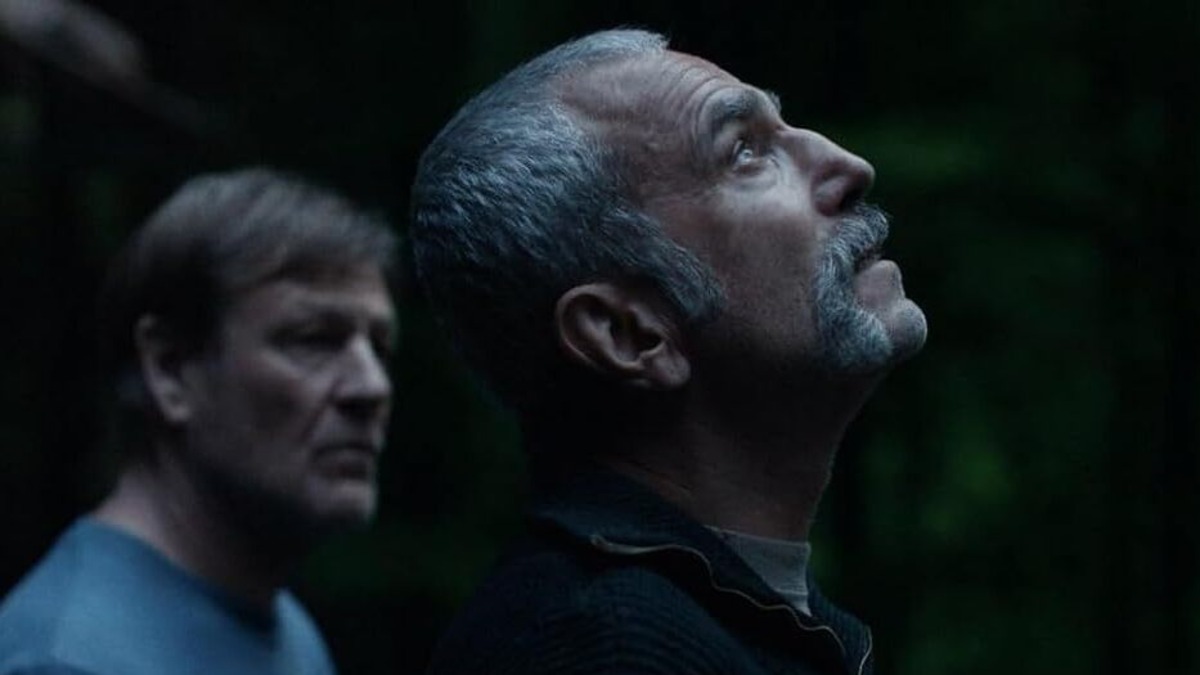
After an eight-year departure from the screen, Daniel Day-Lewis makes his triumphant return to acting with a movie about leaving. Directed by his son, Ronan Day-Lewis, and co-written by the father-son duo, Anemone is an experimental film that takes an unfiltered and simultaneous look at the dual experiences of being the person to leave and being the person left behind.
The film follows Jem Stoker (Sean Bean) as he makes contact with his brother Ray (Daniel Day-Lewis) for the first time in 20 years. After a self-imposed exile within a Yorkshire forest following a mysterious trauma, Ray is now a territorial woodland creature of sorts. Yet, Jem hopes to break through Ray’s isolated natural prison, by passing on a letter from Ray’s former partner, Nessa (Samantha Morton). The letter is a plea for him to return home and help care for their deeply troubled teenage son, Brian (Samuel Bottomley). In Ray’s long absence, Jem has tried to step into the role of both husband and father, but he knows the void Ray left behind is too vast for him to fill. Determined to bridge the emotional chasm between them, Jem ventures deeper into Ray’s haunted wilderness, hoping to find a way to reach or be there for his brother.
Unfurling slowly, Anemone relies on atmosphere and a constant, oppressive undertone to shape its world-building. From the outset, the film presents a raw and abrasive tone that can be difficult to endure. In their first conversation, Ray launches into a graphic monologue, recounting how he once defecated on his childhood sexual abuser after subsisting on a diet of “Guinness and curry.” Day-Lewis delivers this with an unnerving intensity, during which it’s difficult to gauge if its intended purpose is meant to horrify or entertain. The effect is disorienting, but the strength of the writing is unmistakable. Within Ray’s grotesque anecdote, we begin to glimpse the contours of a bleak and damaged past the brothers have endured, regardless of whether Ray’s story is fact or fiction.
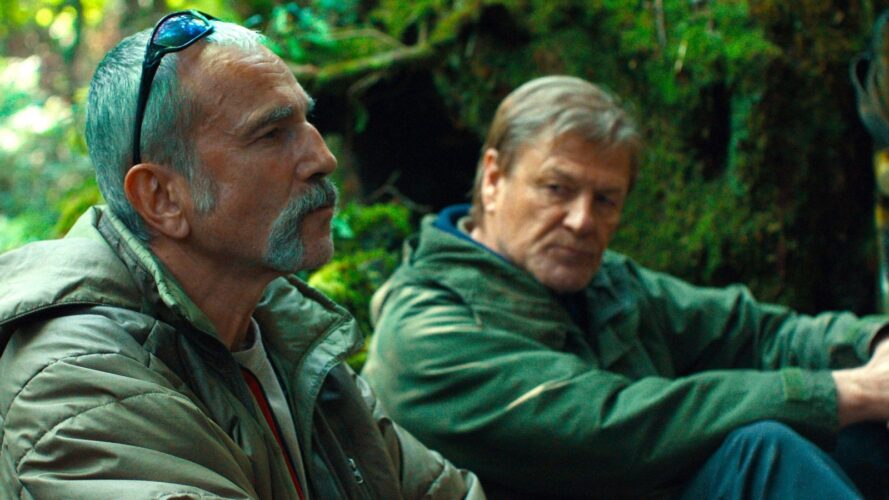
The film stays committed to this path, and Ray gradually, and without ceremony, begins to reveal the trauma he experienced while serving in the British Army during The Troubles in Northern Ireland. His words and demeanour are frequently abrasive, even repellent, yet Anemone creates the space for him to speak, and it’s this space that makes the film so special. Though Ray is a difficult and often unsavoury figure, the film treats him with compassion. His more villainous traits aren’t ignored, but neither are they allowed to define him. Instead, the film carefully unpacks how unaddressed trauma can curdle into emotional withdrawal, and how some people, unable to confront their past, choose to vanish from the lives of those they love. In one subtle, blink-and-you’ll-miss-it moment, Jem rummages through Ray’s sparse belongings and discovers a few old letters from Nessa, including a child’s drawing of a horse—a gift from the son Ray has never met or seen a photo of. It’s a brief but humanising beat, offering a genuine glimpse into the man Ray might have been, or still longs to be.
On the other side of Ray’s anguish, the film offers an equally powerful portrait of those he left behind. In an honest and heartfelt conversation between Nessa and Brian, and in Jem’s facial expressions as he absorbs his brother’s pain, we witness how trauma radiates outward, affecting not just the person who endured it, but everyone in their orbit. Mother and son are left with questions and half-truths, dealing with the conflicting emotions caused by the hope that Ray might one day return to them and the lingering sting of the unforgivable hurt caused. The film doesn’t offer easy answers, but it captures with honesty the complexity of loving someone who has disappeared into their own suffering.
Daniel Day-Lewis is as majestic and beguiling as ever. As Ray, he commands the screen with an oppressive, unfiltered presence, crudely revealing the experiences that drove him into isolation. In stark contrast, Sean Bean gives a quieter performance. He becomes an audience member in and of himself, who acts as a cushion for Ray’s hard truths and traumas to absorb into. Samantha Morton delivers a devastating performance as Nessa, brimming with conflicting emotions. She perfectly captures the ache of being sidelined in someone else’s life-defining choices. It’s all too easy to dismiss another person’s trauma when it manifests as abandonment or selfishness. Yet Anemone resists that impulse. Instead, it offers an empathetic portrait of a veteran and a father who sees himself as a failure, crushed beneath the weight of societal expectations and his own unreachable standards. From all angles, the film is a rare and deeply understanding character study of a tortured man.
As a directorial debut, Anemone is bold and unafraid of silence. Ronan Day-Lewis takes risks, which veer into surreal and uncomfortable territory, but his confidence in the material is unmistakable. His greatest strength lies in his ability to capture emotional overflow, understanding his characters enough to see how it might manifest. One striking example is a scene where Ray and Jem violently dance together after their reunion, which becomes a raw, physical expression of years of rage, regret, and longing that seems impossible for them to express with words. Ben Fordesman’s cinematography beautifully supports this vision, grounding the picture into the moss, wet and dirt of Ray’s tortured territory. Every frame feels steeped in the physical and emotional landscape of Ray’s journey.
Anemone is a tough, often tedious film, reminiscent in spirit of Beckett’s Waiting for Godot, exploring how salvation rarely arrives through patience or isolation. Its themes are weighty, its direction eccentric, yet within this thorny, unconventional structure lies a deeply human story. It also marks an extraordinary return to the screen for Daniel Day-Lewis, whom we welcome back with open arms. For those willing to embrace the film’s challenging tone, Anemone offers a surprising depth of compassion. The film deserves the same understanding and patience it so generously extends to its captivating protagonist.












-

 Featured Review4 weeks ago
London Film Festival 2025 – Hedda ★★★★
-

 Featured Review1 week ago
Predator: Badlands ★★★★
-
 Interviews4 weeks ago
Don Worley on Second Chances, Making Movies and Stand-Up Stages
-

 Featured Review4 weeks ago
London Film Festival 2025 – High Wire ★★★★
-

 Featured Review4 weeks ago
London Film Festival 2025 – Frankenstein ★★★★★
-

 Movie Reviews3 weeks ago
London Film Festival 2025 – Left-Handed Girl ★★★★
-

 Featured Review3 weeks ago
London Film Festival 2025 – Die My Love ★★★★
-

 Movie Reviews3 weeks ago
London Film Festival 2025 – The Chronology Of Water ★★★